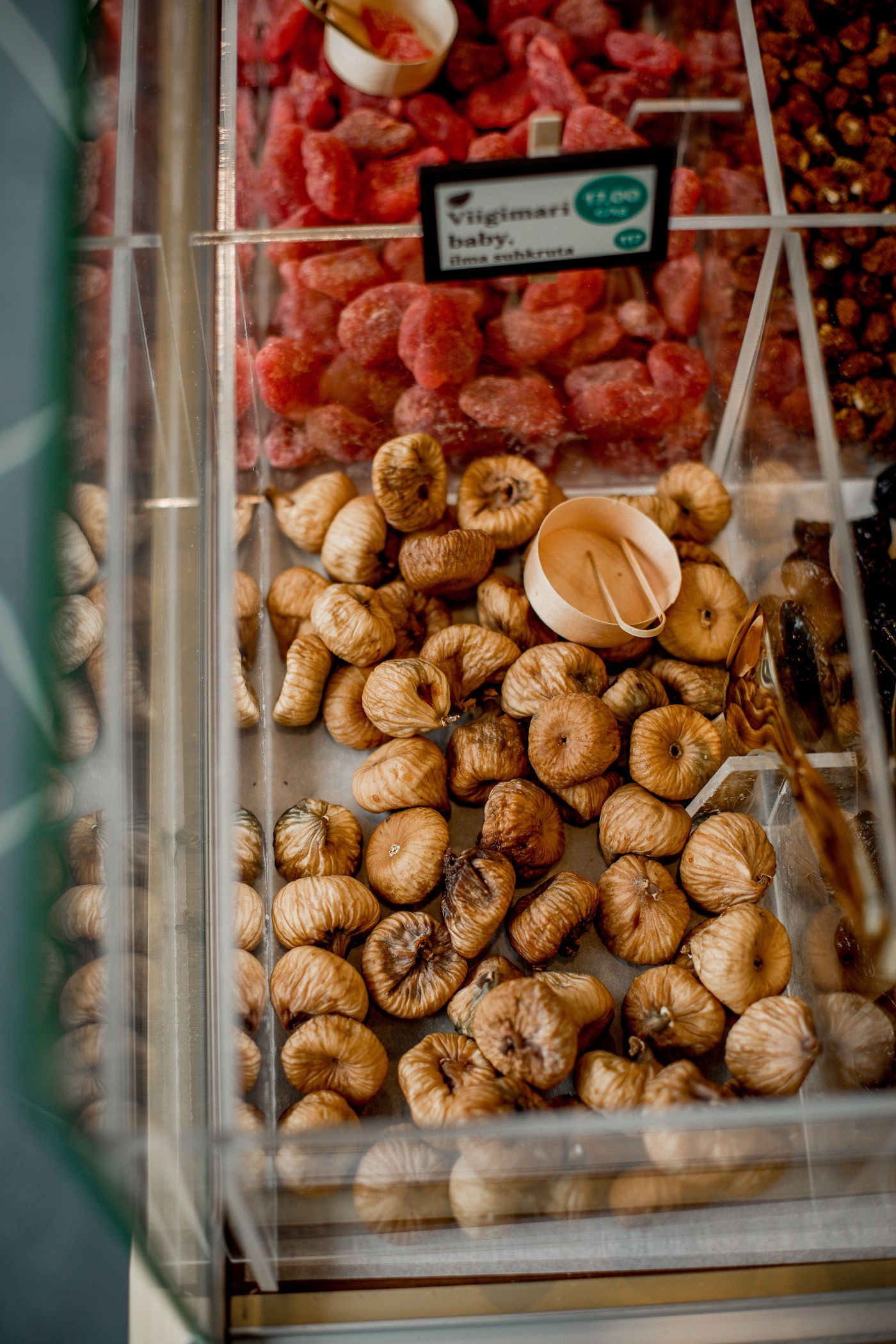
Natural / Whole
Whole dried figs with minimal shaping. Origin, crop, size and grade are confirmed per offer.
 Metropolis HarvestExport Sales & Sourcing from Izmir
Current Focus
Compare commercial presentations, sizing references and producer-confirmed specification fields before requesting a quote.
Metropolis Harvest does not present itself as the manufacturer. We structure the buyer requirement, check producer suitability and organize the information needed before a serious commercial discussion.
Buyer-first product information
A useful dried fig RFQ should define the commercial presentation, size or count reference, order volume, packaging, destination and required documents. Metropolis Harvest uses that information to check suitable producers instead of treating every offer as interchangeable.
Commercial presentations
Trade names can vary by supplier and market. Final appearance, count, grade and packing execution should be confirmed with the producer's current specification, photos or sample.
Whole dried figs with minimal shaping. Origin, crop, size and grade are confirmed per offer.
A pressed commercial presentation commonly requested for retail and wholesale programs; the actual appearance is confirmed by photo or sample.
Figs arranged in layers for presentation-led packs. Pack style, count and dimensions should be agreed with the producer.
A named commercial presentation used in the Turkish dried fig trade. Exact shaping and packing should be confirmed against a current sample.
A shaped presentation offered by some producers. The requested visual style should be specified before quotation.
Whole figs intended for further processing, where ingredient suitability and buyer specification matter more than retail presentation.
Reference sizing
UNECE DDP-14 provides a reference sizing system for dried figs based on the number of fruit per kilogram. Commercial offers may also use buyer- or producer-specific conventions, so the requested count should always be confirmed in the quotation specification.
| Size number | Fruit per kilogram |
|---|---|
| 1 | ≤ 40 |
| 2 | 41–45 |
| 3 | 46–50 |
| 4 | 51–55 |
| 5 | 56–60 |
| 6 | 61–65 |
| 7 | 66–70 |
| 8 | 71–80 |
| 9 | 81–100 |
| 10 | 101–120 |
| 11 | ≥ 121 |
Reference only; this is not a quotation or a claim about current stock. UNECE DDP-14 dried figs standard.
Producer-confirmed specification framework
The objective is not to publish generic numbers as if every lot were identical. The objective is to turn the buyer request into a structured checklist that a suitable producer can answer.
Declared origin, crop year or harvest reference, and producer/exporter identity where appropriate.
Natural, Lerida, Layer, Protoben, Pulled or another requested commercial style, confirmed visually when needed.
Fruit-count reference or the producer's commercial size description, stated clearly in the offer.
Moisture, quality class or tolerances, microbiology and other parameters when supplied or required by the buyer.
Bulk or retail format, net weight, inner packaging, carton, pallet and private-label requirements where applicable.
Requested analysis, certificates and product documents are checked for availability rather than assumed.
Producer-declared shelf life, recommended storage conditions and date coding when relevant to the program.
MOQ, sample availability, production or packing lead time and the party responsible for the final quotation and export operation.
Sourcing workflow
A structured sequence helps prevent premature price promises and reduces back-and-forth.
Define product form, count, quantity, destination and intended use.
Identify producers whose capabilities appear to fit the request.
Check specification, packaging, document and analysis availability.
Clarify sample needs and unresolved technical points.
Producer or exporter confirms the final commercial quotation and export operation.
Quality & documentation
We do not display certificates as universal or permanent facts. For each request, relevant documents and analyses should be confirmed with the producer or exporting company and matched to the destination market.
For EU-bound Turkish dried figs, official Turkish guidance lists aflatoxin analysis and a Health Certificate among the specific export controls. Exact requirements can change and must be checked for the shipment and destination.
Technical reference points
An international reference for dried fig quality, sizing and tolerances. It helps buyers structure technical discussions, while the current producer specification remains essential.
Open official referenceTürkiye's Ministry of Agriculture and Forestry publishes product- and destination-specific export requirements, including controls relevant to dried figs.
Open official referenceWe separate reference information from producer-confirmed facts so the buyer can see what is known, what still needs verification and what belongs in the final quotation.
The same dried fig offer is not suitable for every channel. The requirement should reflect how the buyer will sell or use the product.
No. Metropolis Harvest is a sourcing and export sales initiative. Product availability, final quotation and export operations are confirmed by the producer or exporting company.
Not necessarily. UNECE DDP-14 is a useful reference framework, while producers and buyers may use additional commercial conventions. The exact count or grade should be written into the offer.
Prices depend on product form, quantity, packaging, required documents, destination country and producer availability.
Sample options can be checked after product form, quantity, destination country and document requirements are clarified.
Ready to brief the market?
Include the product form, preferred count or size, estimated quantity, packaging, destination and documents you need. If some fields are unknown, send what you have and we will identify the missing questions.
Country market routes
Germany, France and the United States involve different product requirements, compliance considerations and buying processes. Use the market page that matches your program.